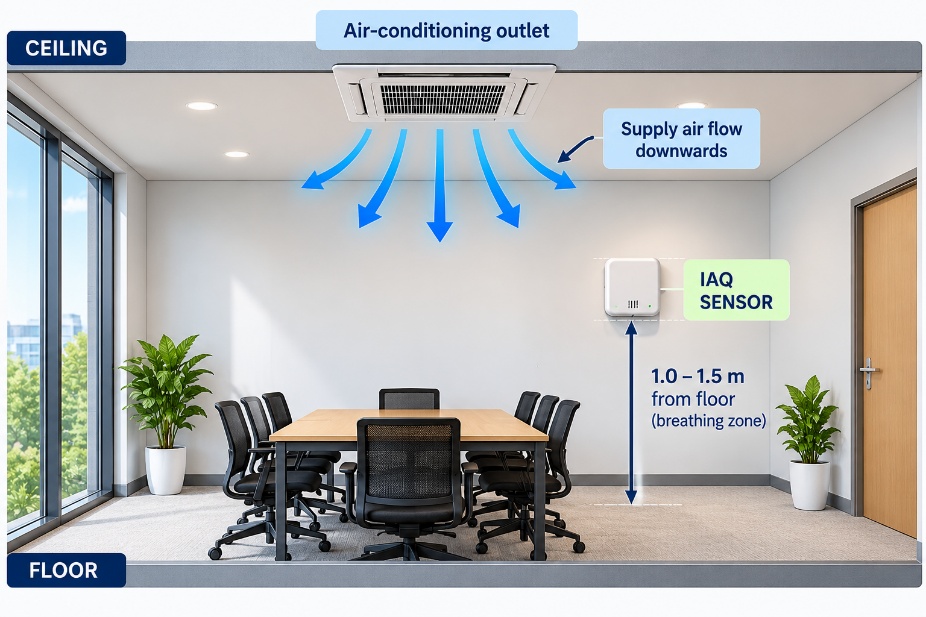
Where Should Indoor Air Quality Sensors Be Installed?
Choose representative locations for CO₂, PM2.5, VOC, temperature and humidity sensors in offices, schools and other buildings. Avoid airflow and local sources that distort readings.
Read articleInsights & ideas
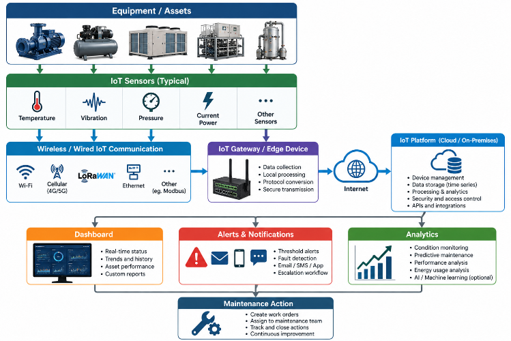
Practical perspectives on connected equipment, smarter maintenance and the technology behind better decisions.
Featured read

Choose representative locations for CO₂, PM2.5, VOC, temperature and humidity sensors in offices, schools and other buildings. Avoid airflow and local sources that distort readings.
Read article
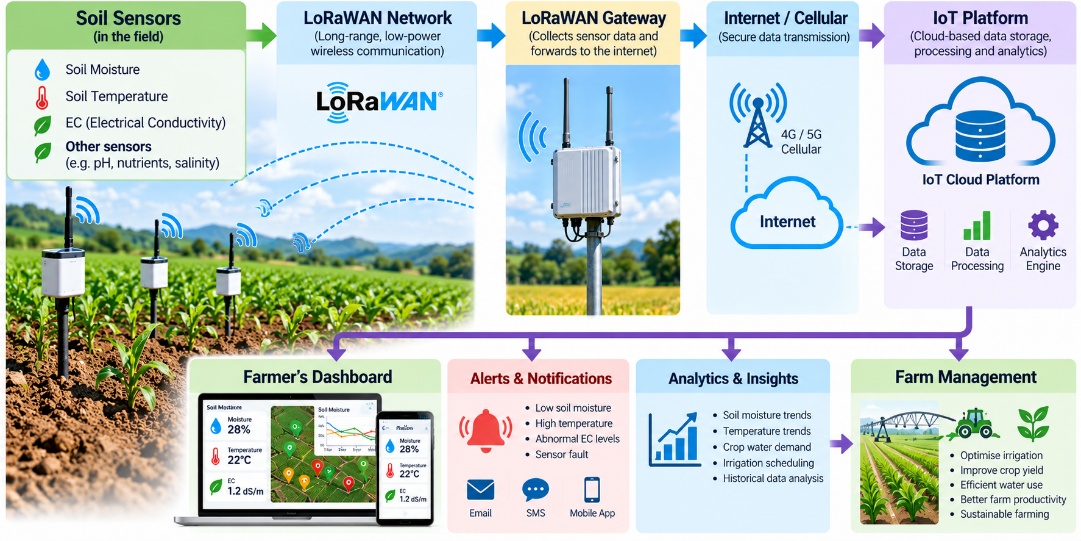
How Australian farms can use LoRaWAN soil-moisture sensors, gateways and weather data to monitor irrigation, compare fields and plan a small pilot.
Read article
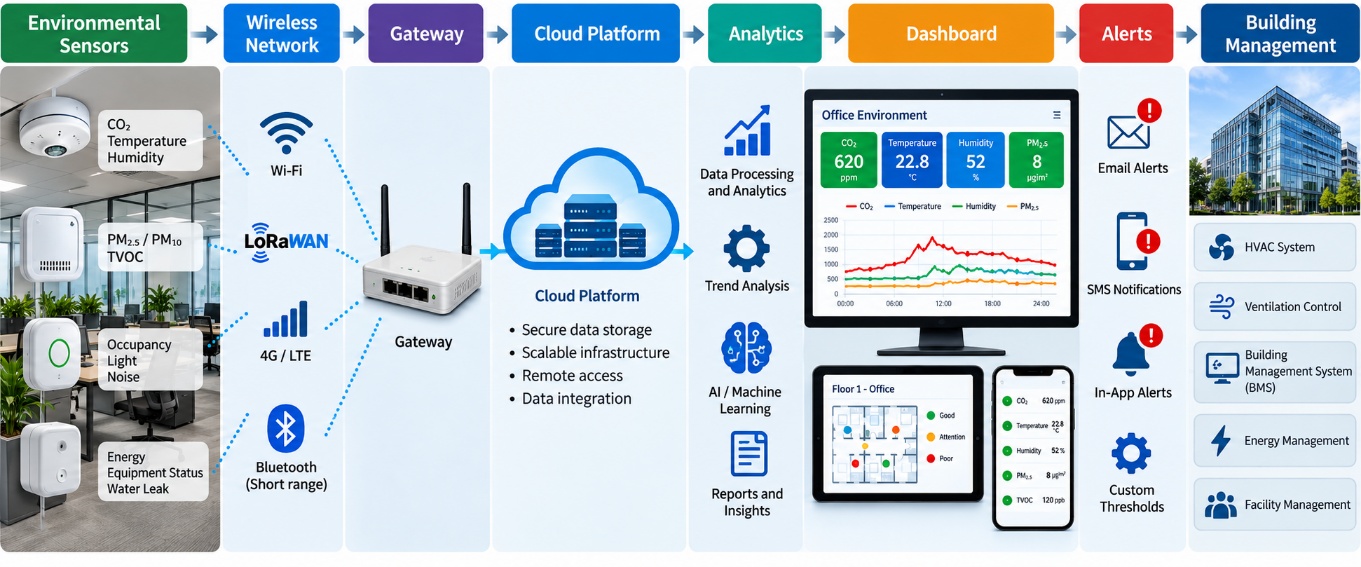
A practical guide to monitoring CO₂, particles, VOCs, temperature and humidity in Australian offices, and using trends to investigate ventilation and comfort.
Read article
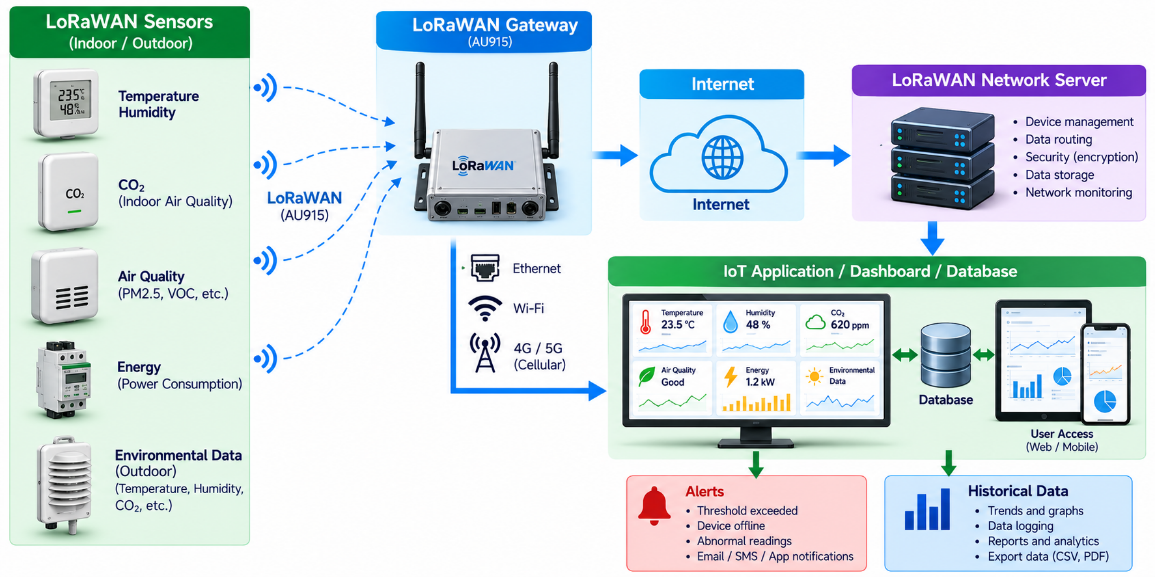
Set up an AU915 LoRaWAN gateway in Australia. Choose a suitable antenna and backhaul, match the network channel plan, register sensors and check regulatory requirements.
Read article
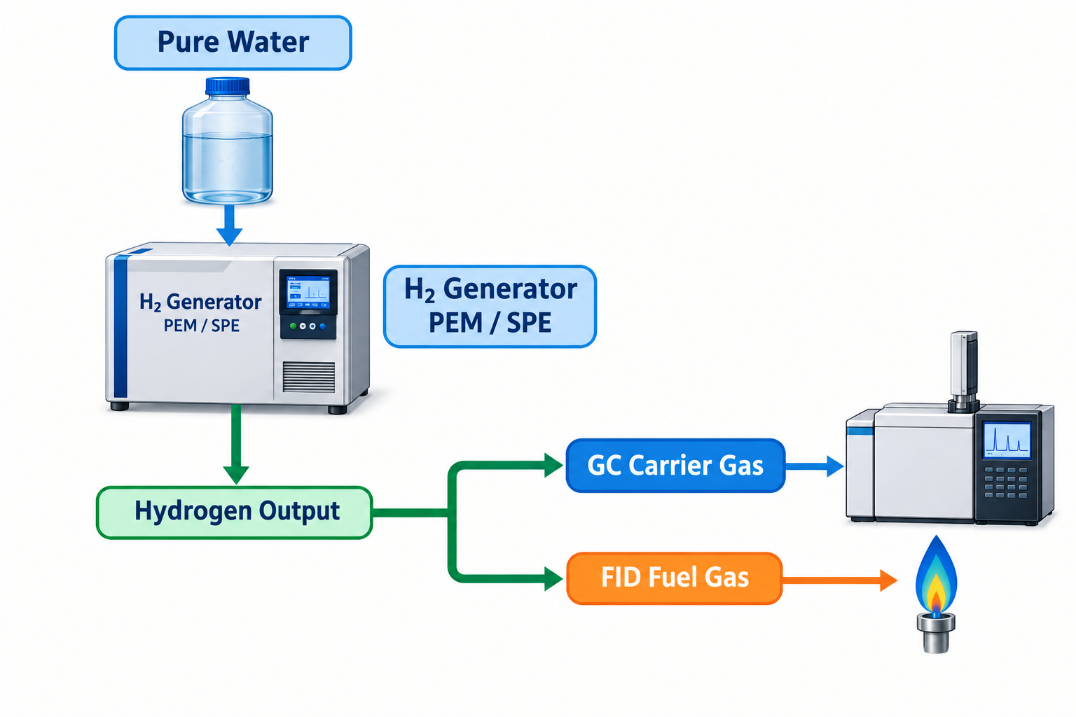
Compare hydrogen generators and cylinders for gas chromatography, including purity, safety, supply continuity, operating costs and GC instrument requirements.
Read article
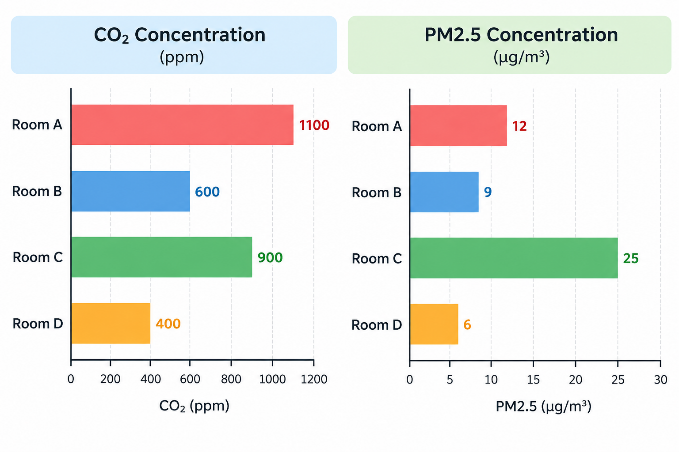
Learn to interpret CO₂, PM2.5, VOC, temperature and humidity trends in buildings, accounting for occupancy, ventilation, outdoor conditions and sensor limitations.
Read article
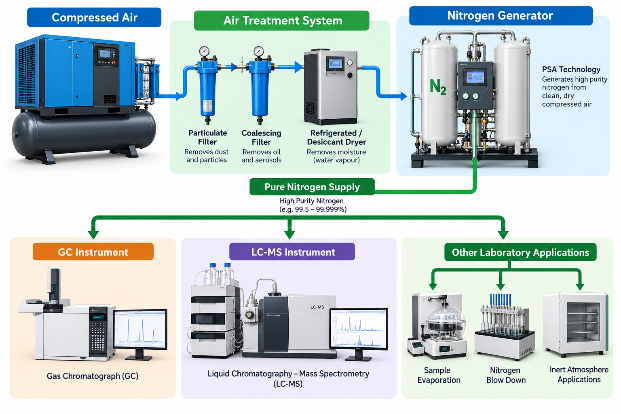
Select a laboratory nitrogen generator based on purity, flow, pressure, dew point, compressed air, maintenance and the needs of GC or LC-MS instruments.
Read article
Discover how IoT sensors, condition monitoring and predictive maintenance can help Australian businesses detect equipment problems early and reduce unplanned downtime.
Read article